

Unmet Needs Spawn Loneliness
On how friendship can offer you a saving hand

TL;DR:
Isolation is deceptively gradual: it quietly becomes the new normal before you realize it has been slowly eroding your sense of self and connection to others. The antidote is honest conversations with someone who listens.
I have a confession to make: I’m not a particularly disciplined reader, not when it comes to books. When a new year starts, I always make a promise to read just one more book than last year, which should be manageable as I hover around three/year. My excuse? I read enough already, especially since I started to read on Substack, not to mention that my previous roles demanded that I read more than I wrote.
There was a time when it was different though, when I left my parents’ house to study at university, living completely alone.
Stephen King became my go-to writer, and the first book of choice was The Shining (what else). Little did I know when I pulled it from the bookshelf that it was about extreme isolation that led to a complete psychological breakdown.
Strangely, it felt comforting to read what Jack was going through as I felt lonely too when I was left completely alone in a new city, to learn how to take care of myself on my own and also motivate myself to attend courses. Rest assured I didn’t start to have conversations with ghosts though, nor did I start to swing my axe like a maniac.
Gradual Isolation
In the beginning, you barely notice it, if you’re an upbeat person alone, like the introvert I am. You might even feel recharged because there’s no social interaction to drain you. Listening to your own jam as loud as neighbors tolerate it. Cooking and eating whenever you like, it’s only you on the date, no one’s ever late.
But when the honeymoon phase ends after a few weeks, you might start to notice how heavy silence feels. After you turn down the background noise to think for a second or go to sleep, the absence of distraction covers the space like snow does in the garden during snowfalls.
The best perk of not having anyone around becomes a curse at the same time. When you crave the smallest of human gestures such as eye contact or a smile, there’s nobody to provide and maybe more importantly to receive them. We are natural creatures and yes, receiving is awesome, but it can only fulfill your soul so much.
What’s the point if you can’t make someone else smile?
Disconnection Becoming Everyday
Loneliness proceeds like rivers do, steadily, indifferent to how stone tries to stand against it. It has time and the upper hand of being an immovable force of nature.
It slowly erodes the surface day-by-day until there’s nothing left to shave off. The process creates a loop that works against itself: the surface breaks; tiny particles say goodbye, and the barrier becomes thinner by the minute. Even if you felt confident being alone in the beginning, you’d start to lose reassurance because the sense of relativity stops working.
You become your own reference.
If you don’t break the cycle, it can easily spiral into a reduced trust in yourself and in others in general by staying withdrawn where your thoughts can debate with each other. With a new morning, the loop continues and arrives at complete emotional detachment. *Hawkley, L. C., & Cacioppo, J. T. (2010).
Even though my example revolves around living physically alone, I think it can be observed in relationships when two partners find themselves on different sides of the same coin without being able to reconnect and listen to each other.
A self-employed business owner can feel similarly, or a newly appointed manager with an increased amount of responsibility left alone without professional support. The list is pretty much endless as loneliness is universal and is one of the most devious poisons.
On another quiet evening, I decided to take ownership of the change; I didn’t want solitude to keep winning.
Emotional Reconnection
The solution arrived from an unexpected place. Months ago, before leaving for university, I met a girl in a bar, and despite being totally lame in starting conversations, she had a brief one with me. It quickly turned out that she’d attended the same high school and graduated in the same year. In the following months, I think we had no meaningful conversations whatsoever.
Jack Torrance didn’t have anyone to break the loop; we found out that we had a real chance to make each other smile again.
After graduation, however, she went to London to work for a year. There was half a continent between us, yet she felt similar to me. We started to have weekly conversations over Skype as a place of solitude for both of us to later become the foundation of our friendship. She’s the sole reason I met my wife, by the way.
During those conversations, we both felt emotionally safe and held. We found someone who listened to us despite being on the other side of the screen. It was human when we needed it the most, fitting in new communities. As we broke the loop together, we became emotionally confident, and she found her people and reconnected with reality offline, and so did I.
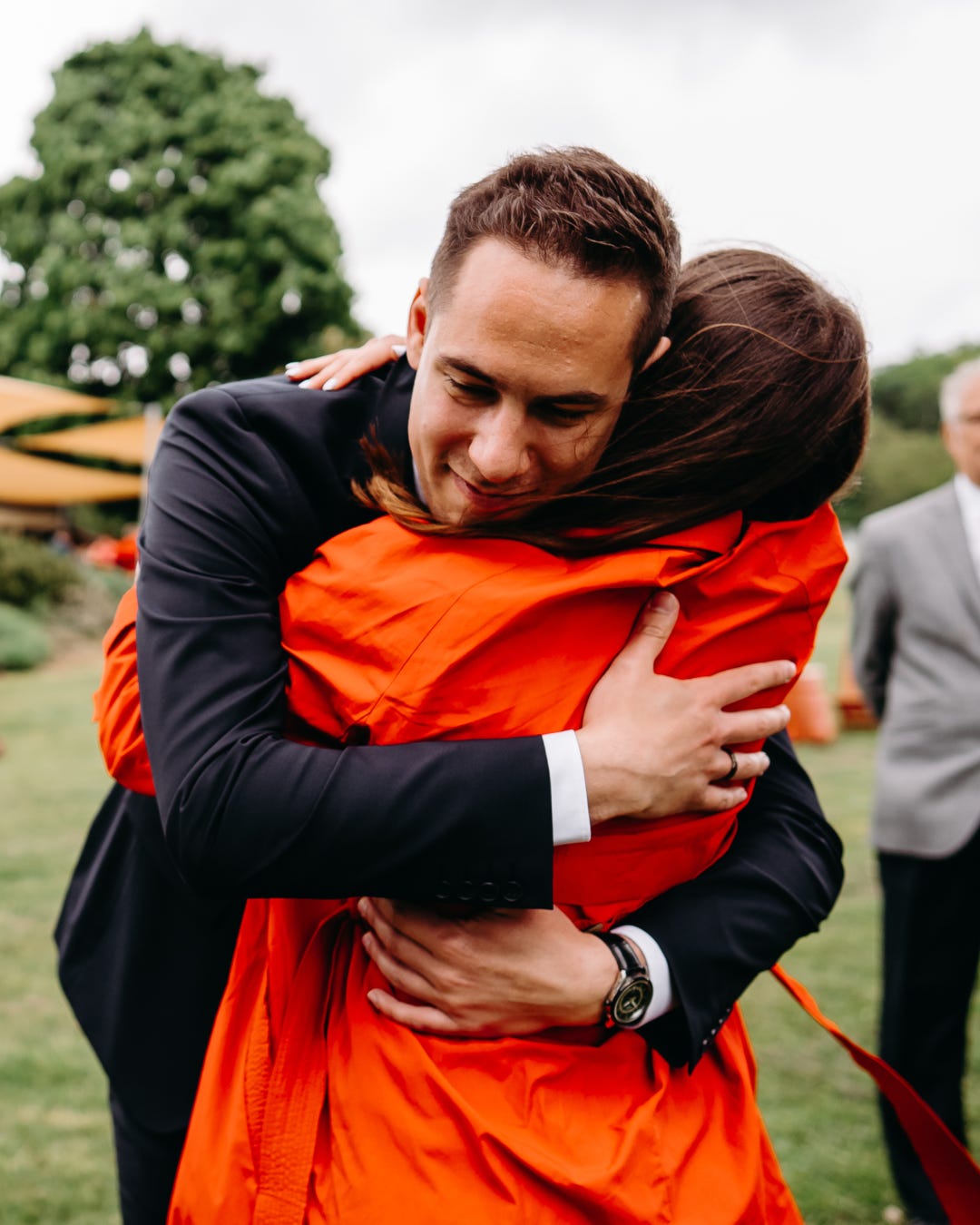
I think it’s safe to say we saved each other in a way.
We’ve barely talked about that time since – life carried us forward, we have other topics sitting on our plates, but I have a feeling the connection we built and how we built it inspired both of us. She later became a psychologist, and I became a professional coach for similar reasons.
Not to leave anyone behind who might feel lonely.
If you recognize yourself within these lines, please know, you’re not entirely alone. I’d suggest looking at what might be missing from your everyday life. The loop I described became natural to me, which made it scary when I finally realized what was wrong. Those Skype conversations helped us by creating space for us to be heard even though we weren’t sitting in the same room. This is what I do for a living now, to help others find their way back to connection.
Reference:
*Hawkley, L. C., & Cacioppo, J. T. (2010). Loneliness matters: A theoretical and empirical review of consequences and mechanisms. Annals of Behavioral Medicine, 40(2), 218–227. https://doi.org/10.1007/s12160-010-9210-8
This story was originally published on capillarygrooves.com
I’ll continue to write about topics that interest me and think might benefit you and your personal development. My aim is to make your time worthwhile to spend with the articles. The most surefire way to receive updates is by subscribing.
If my articles no longer offer you value, please consider letting me know, so I can get better, learning from your feedback. It’s also completely okay, to unsubscribe, I won’t hold grudges.
As an introvert myself (maybe an ambivert now after 4 years of being away from family and country), I could totally relate to it. It is more of back and forth in those zones, I enjoy solitude but also being in company of my loved ones:) thanks for sharing, it's amazing how connecting with right people eventually lead to us to our callings.
Most people struggle to understand that introverts are drained in crowded noisy social environments and need time to adapt. Shoutout to Stephen king and shining one of my favorite fiction and movie.